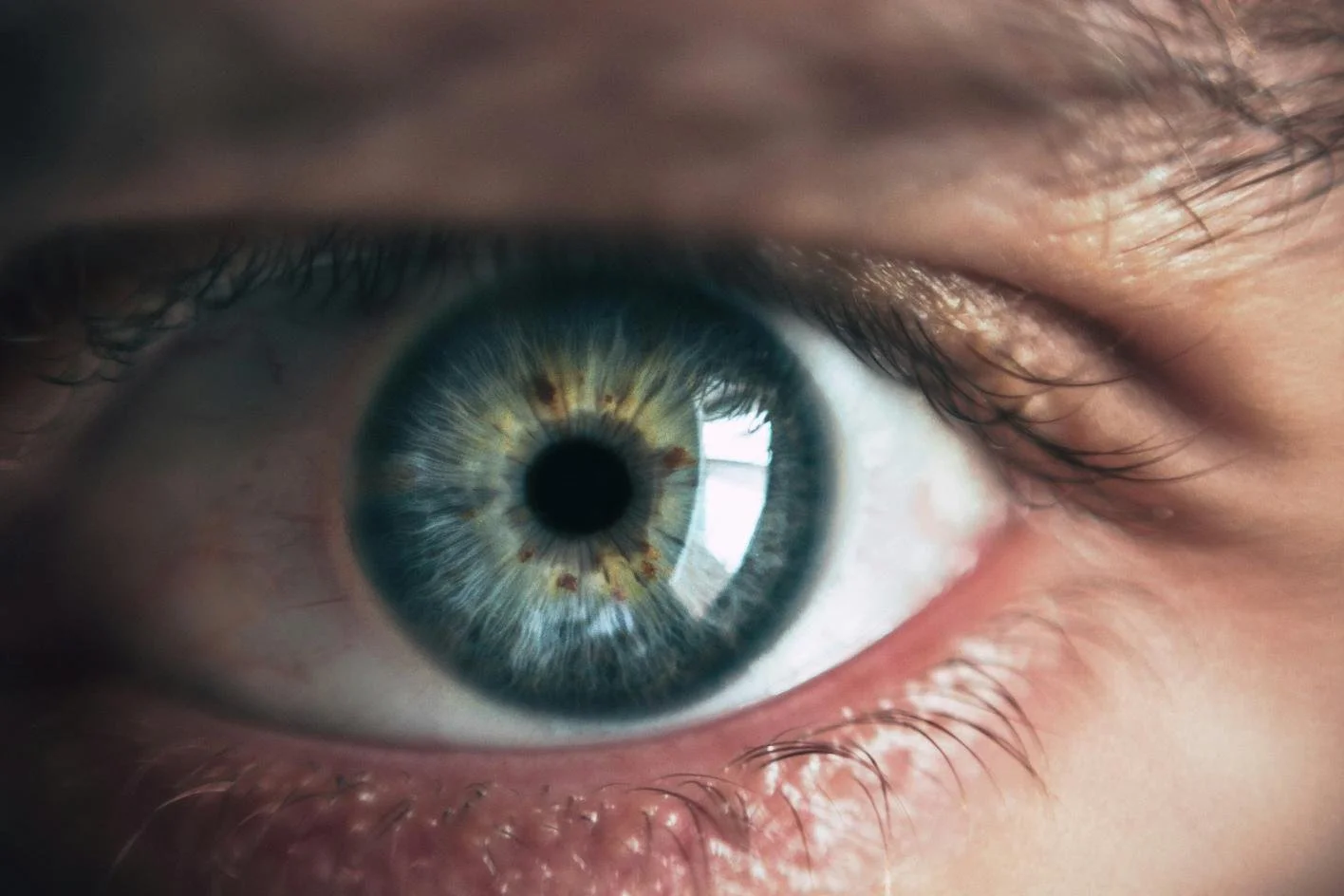
Adjusting to Sight Loss - The Emotional Journey Nobody Talks About
Perhaps at first your vision changed little by little, until at a point you had to face the fact your eyesight wasn't what it used to be and you'd have to make an appointment with your doctor or optician. Or maybe it happened suddenly and turned your world upside down overnight. Either way, you may be finding that people around you focus on the practical side of things - mobility training, assistive technology, learning new ways to do everyday tasks. All of that matters, of course it does. But there's another side to this that often goes unspoken, and that's the emotional impact of losing your vision.
How I Work - A Collaborative and Individual Approach
Not all counsellors work in the same way, and my approach might be different from what you're expecting. At the heart of my practice lies a belief that collaborative counselling is transformative - we work together to find what works for you, rather than fitting you into a particular method or approach.
Counselling is easier than you think - the practical side
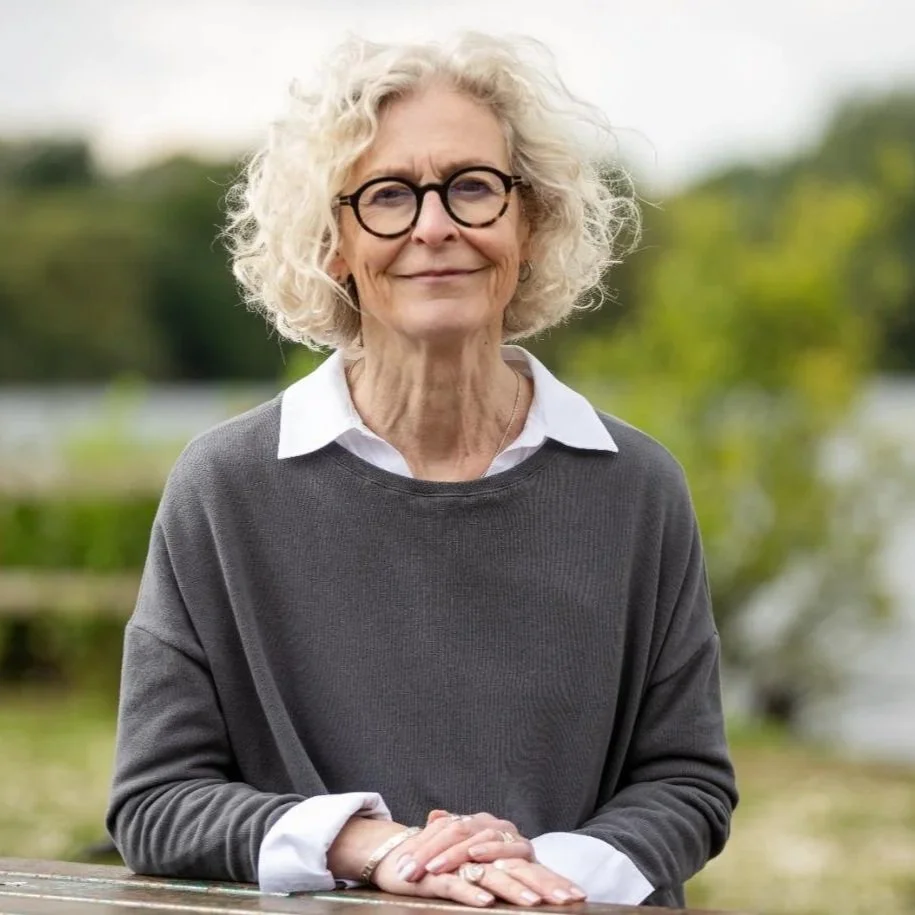
When you're thinking about counselling, you might have concerns about the practicalities. What if you can't commit to the same time every week? What happens if you need to cancel? How does the technology work? Will you be tied in for months?
It's worth knowing that working with me is designed to be as straightforward and flexible as possible. Here's how the practical side works.

What actually happens in a counselling session (and what doesn't)
If you've never been to counselling, you'll naturally wonder what happens in a session. Perhaps you've seen therapy portrayed in films or on TV, or maybe you've heard stories from friends about their experiences and you're not sure if yours would be the same. The uncertainty can be enough to put people off taking that first step.